
What actually happens in a first session
Most people arrive at the first appointment carrying two things: whatever brought them, and the worry that they will not know how to say it. Here is the whole hour, in plain terms, so one of those can be put down before you walk in.
Silent Red Flags: Recognizing Covert Abuse in Relationships
Most people arrive at the first appointment carrying two things: whatever brought them, and the worry that they will not know how to say it. Here is the whole hour, in plain terms, so one of those can be put down before you walk in.
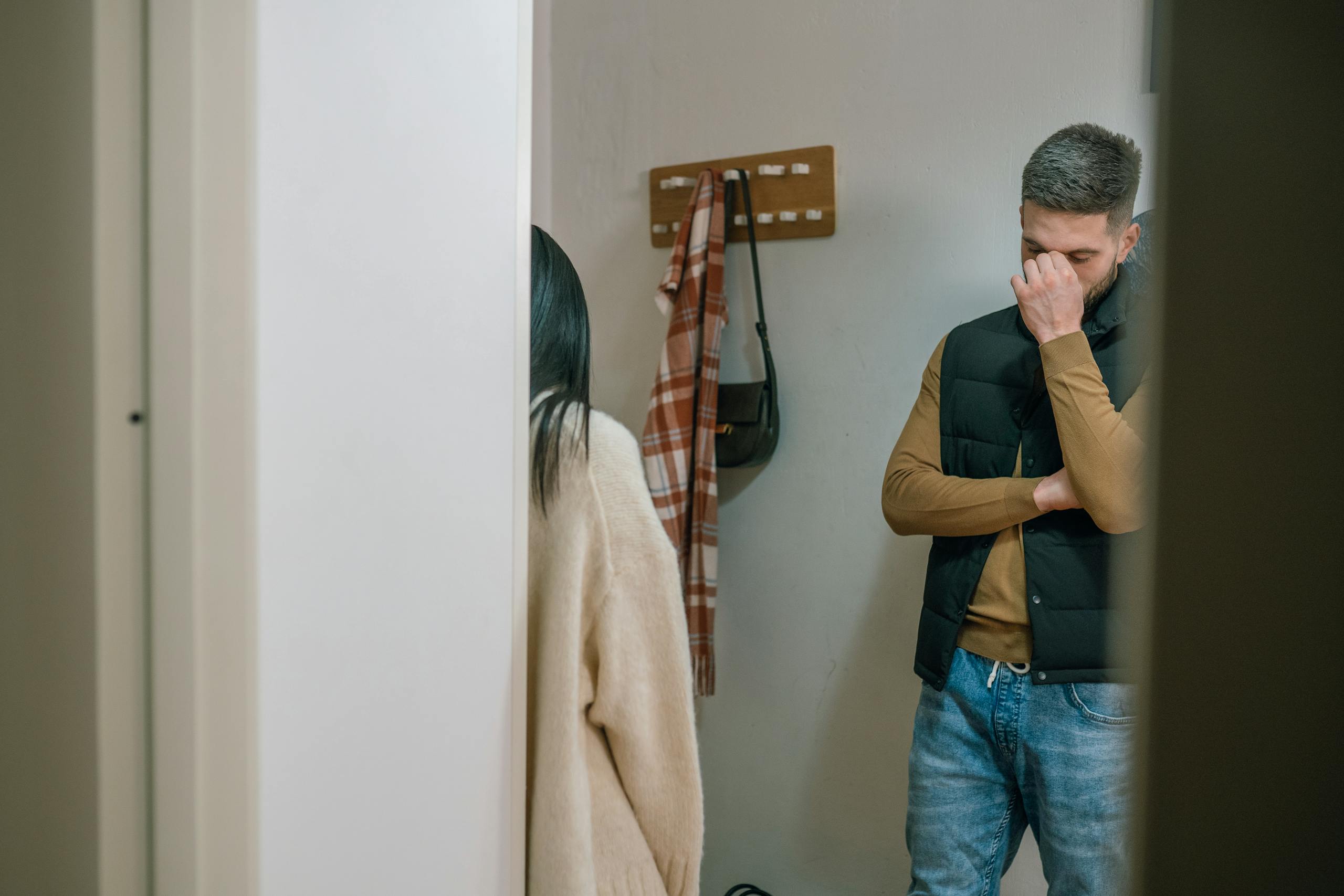
Does Any of This Feel Familiar?
Have you ever walked away from a conversation with a partner or loved one feeling confused, unsettled, or suddenly unsure of yourself—even though nothing “big” seemed to happen? Maybe it was a joke that didn’t feel like a joke, a comment that left you second-guessing, or a moment where the tone shifted so quickly you weren’t sure what went wrong. If this feels familiar, you’re not alone—many people experience these subtle, hard-to-name moments in relationships.
Understanding Covert Abuse
Abuse does not always show up as physical violence. Many people experience harm through patterns of subtle, quiet behaviours that can be confusing, disorienting, and deeply painful. This is often referred to as covert or subtle abuse. Even without physical force, these behaviours can create fear, emotional distress, and a sense of instability in the relationship.
What Is Covert Abuse?
Covert abuse can take many forms, but it is most often rooted in small, persistent acts of emotional or psychological harm that may be hard for others to see—and sometimes hard for the person experiencing them to identify. Because these behaviours are often indirect or disguised as concern, humour, or “misunderstandings,” they can be minimized or dismissed, making it harder for someone to trust their own instincts or reach out for support.
Covert abuse may include microaggressions, manipulation, or shifts in behaviour that keep a partner uncertain, dependent, or emotionally unsettled. While any single action may appear harmless, the accumulation of these behaviours can create an environment that is confusing, destabilizing, and unsafe.
Signs of Covert Abuse
Covert abuse can be difficult to name because it often leaves no visible marks. The harm lives in repeated interactions that are easy for others to overlook and easy for the abuser to explain away. This can contribute to self-doubt and silence for the person experiencing it.
Some red flags to pay attention to include:
- Backhanded compliments: Comments that appear kind but include hidden criticism or judgment.
- Gaslighting: Minimizing or denying experiences, causing a partner to question their memory, perceptions, or sense of reality.
- “It’s just a joke”: Using humour as a shield for hurtful remarks, then shifting blame by calling the other person “too sensitive.”
- Isolation: Discouraging relationships with friends, family, or supports by implying they are untrustworthy or harmful.
- Hot-and-cold behaviour: Alternating between warmth and withdrawal in a way that creates confusion, dependency, or fear of disapproval.
- Financial control: Limiting access to money, discouraging employment, or creating dependence by controlling financial decisions.
These examples are not exhaustive. Abuse can look different across relationships, and if something in your relationship feels unsafe, unsettling, or inconsistent with how you want to feel, that is important information.
What to Do If You’re Experiencing Covert Abuse
Recognizing that something feels “off” is an important beginning. Covert abuse often creates doubt, shame, and uncertainty, which can make it difficult to reach out for help. If you are concerned about patterns in your relationship, consider the following steps:
Trust Your Feelings
Your discomfort is valid. Noticing that something feels wrong is an act of clarity, not overreaction.
Observe Patterns
You may find it helpful to write down interactions, dates, or examples. Seeing things mapped out over time can provide perspective and support.
Reach Out
Connecting with someone you trust—whether a friend, family member, or professional—can reduce isolation and offer emotional grounding.
Speak with a Mental Health Professional
A therapist can help you understand what you’re experiencing, rebuild a sense of stability, and explore your options in a way that feels safe and manageable.
Consider a Safety Plan
If you have concerns about escalation, developing a safety plan can be an important step. This may include identifying safe places, gathering important documents, and keeping essential numbers available. A therapist can help you create this plan.
You do not need to have certainty or a complete picture before seeking support. Reaching out is appropriate even if you are still sorting through what you’re experiencing.
Seeking Support
Asking for help can feel overwhelming, especially when the situation is subtle or difficult to articulate. You are not alone. Support is available, and healing is possible.
If you or someone you care about may be experiencing abuse:
- You can access Ontario-wide resources here.
- You can connect with our Client Care Coordinator to be matched with a therapist who can support you.
Please note: Gibson & Associates is not an emergency service.
If you are in immediate danger, please call 911 or contact the Assaulted Women’s Helpline at 1-866-863-0511 or text #7233.