Neurodiversity-Affirming Therapy in Ontario
Your brain works differently. That's not a flaw to be corrected, it's a fact about how you're wired. But being wired differently in a world designed for a narrower range of minds creates real difficulties, and those difficulties deserve real support.
At Gibson & Associates, neurodiversity-affirming therapy means we start from the understanding that ADHD, autism, and other neurodivergent profiles are natural variations in human neurology, not disorders to be overcome. The work isn't about making you neurotypical. It's about reducing the suffering that comes from living in systems that weren't built with you in mind and helping you build a life that actually works for how you're wired.
What does "neurodiversity-affirming" actually mean?
It's a term that's gained traction in recent years, and it's worth being specific about what it means and what it doesn't.
Affirming means: we don't treat neurodivergence as a problem to fix. We don't work toward compliance, normalization, or making you easier for neurotypical people to manage. We recognize that ADHD, autism, dyslexia, and other profiles come with genuine strengths alongside real challenges and that many of the challenges are about environment and access, not about deficits within the person.
Practically, it also means we adapt how we work to what works for you. More or less structure, different pacing, flexibility with how sessions run: we follow your lead on what a useful session looks like.

Who we work with
We work with adults and adolescents who are:
- Recently diagnosed with ADHD or autism, and trying to make sense of what that means for their history and their life going forward
- Late-diagnosed: often women, adults who masked effectively for years, or people whose presentations were overlooked in childhood, processing the complicated mix of relief, grief, and re-narration that comes with a late diagnosis
- Experiencing ADHD burnout: the profound exhaustion that follows a long period of masking, over-functioning, or pushing through without adequate support
- Struggling with the emotional and relational dimensions of ADHD: rejection sensitivity, emotional dysregulation, impulsivity in relationships, or the shame that often accumulates from years of being told to just try harder
- Navigating anxiety, depression, or trauma that has developed alongside or in response to neurodivergence
- Working on executive function, self-understanding, and building systems that work for a neurodivergent brain
What is ADHD burnout and how does therapy help?
ADHD burnout is a state of physical, emotional, and cognitive exhaustion that develops when someone with ADHD has spent an extended period masking, compensating, or pushing through demands that don't match their capacity. It often looks like depression, withdrawal, inability to do basic tasks, loss of motivation, but it has a different underlying mechanism and responds better to different approaches.
Therapy for ADHD burnout focuses on understanding what led to the burnout, reducing the internal pressure to perform neurotypicality, and gradually rebuilding capacity in ways that are actually sustainable. We offer a variety of approaches, including IFS, EMDR, somatic therapy, ACT, CBT, and DBT, that can be beneficial here, helping people understand the internal patterns they've developed to manage ADHD (often including a deeply self-critical voice) and to relate to those patterns differently.
Therapy after a late ADHD or autism diagnosis
For many late-diagnosed adults, the diagnosis is both clarifying and destabilizing. It explains so much: years of feeling like you were failing at things that came easily to others, relationships that were harder than they seemed to be for everyone else, the exhaustion of compensating for something you didn't even know was there. And then comes the grief: for the support you didn't have, the understanding that came too late, the ways your life might have been different.
This is serious clinical territory. Therapy after a late diagnosis isn't just psychoeducation about ADHD or autism, it's processing a significant re-narration of your own history, and building forward from a new understanding of yourself.

Find a Neurodiversity-Affirming Therapist in Ontario
Virtual sessions remove many of the barriers that can make in-person therapy harder for neurodivergent clients: commute sensory load, waiting room anxiety, scheduling rigidity. All of our therapists offer virtual sessions to clients anywhere in Ontario, with in-person options in London, Barrie, and Toronto.

Elizabeth Townsend
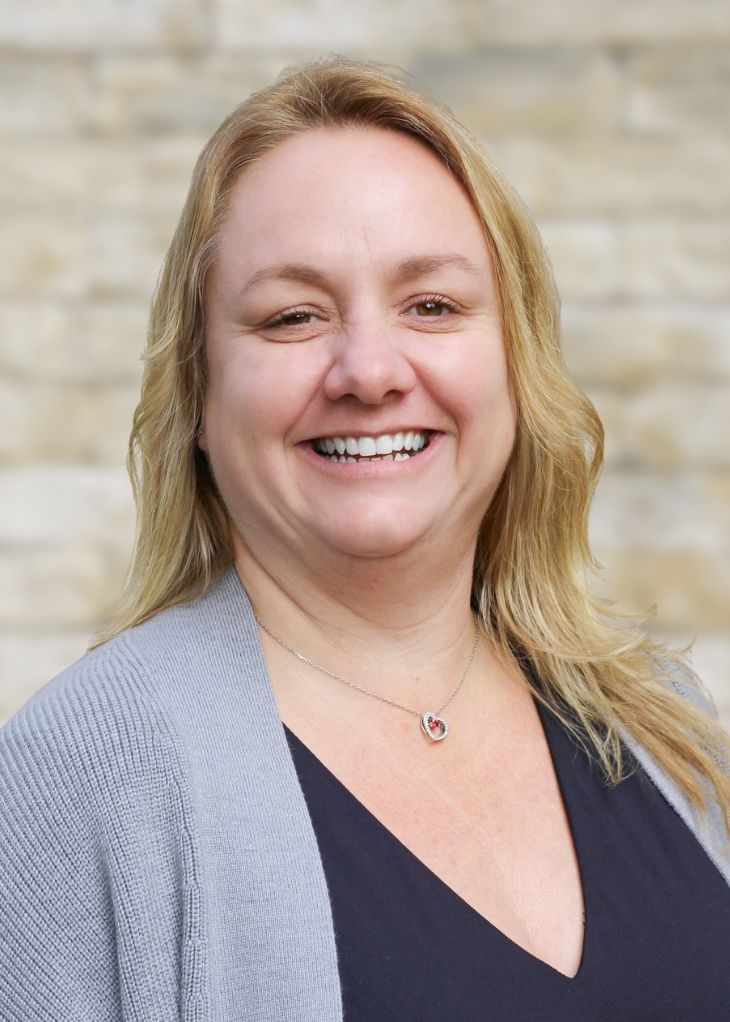
Heather Mikkelsen
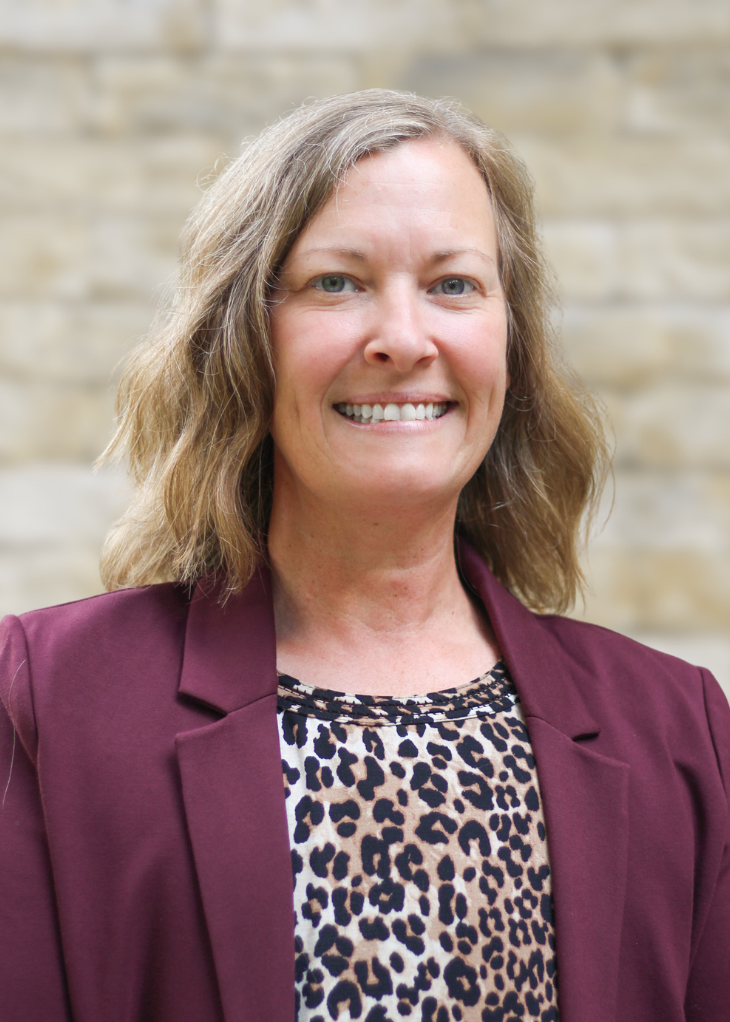
Jenni Jackson
FAQs
No. If you identify as neurodivergent, or suspect that you might be, you don't need a formal diagnosis to access support. The therapy is focused on your experience, not a diagnostic category.
No. We're not working toward neurotypical functioning as the goal. We're working toward a life that works for how you're wired, which sometimes includes skill-building and strategy, but always from a framework that treats neurodivergence as a difference rather than a deficit.
Yes. Many late-diagnosed adults experience a complex mix of relief, grief, anger, and disorientation, and that's real and worth processing in therapy. It's not just about understanding ADHD or autism; it's about understanding yourself.
That's important context, and we'd want to hear about it. Neurodiversity-affirming therapy adapts to you rather than expecting you to adapt to a standard format. We follow your lead on pacing, structure, and what useful looks like.
Yes. Virtual sessions are available to clients anywhere in Ontario, which removes a number of the barriers: including sensory and logistical ones, that can make in-person therapy harder.
Still have questions?
If you're looking for a therapist who will meet your brain where it is, we'd be glad to connect. Book a free 15-minute consultation. In London, Barrie, Toronto, or online across Ontario.