
Walk & Talk Therapy in London, Ontario
Some people think more clearly when they're moving. Some people find face-to-face eye contact in a small room harder than necessary. Some people just work better outside. Walk and talk therapy is for any of those people and for anyone who's curious whether a different physical context might change what's possible in a therapy session.
At Gibson & Associates, we offer walk and talk therapy in London and Barrie, Ontario: meeting clients outdoors and conducting sessions while walking, at a pace and location that works for you. It's the same clinical work as an office session. The format is different.
What is walk and talk therapy?
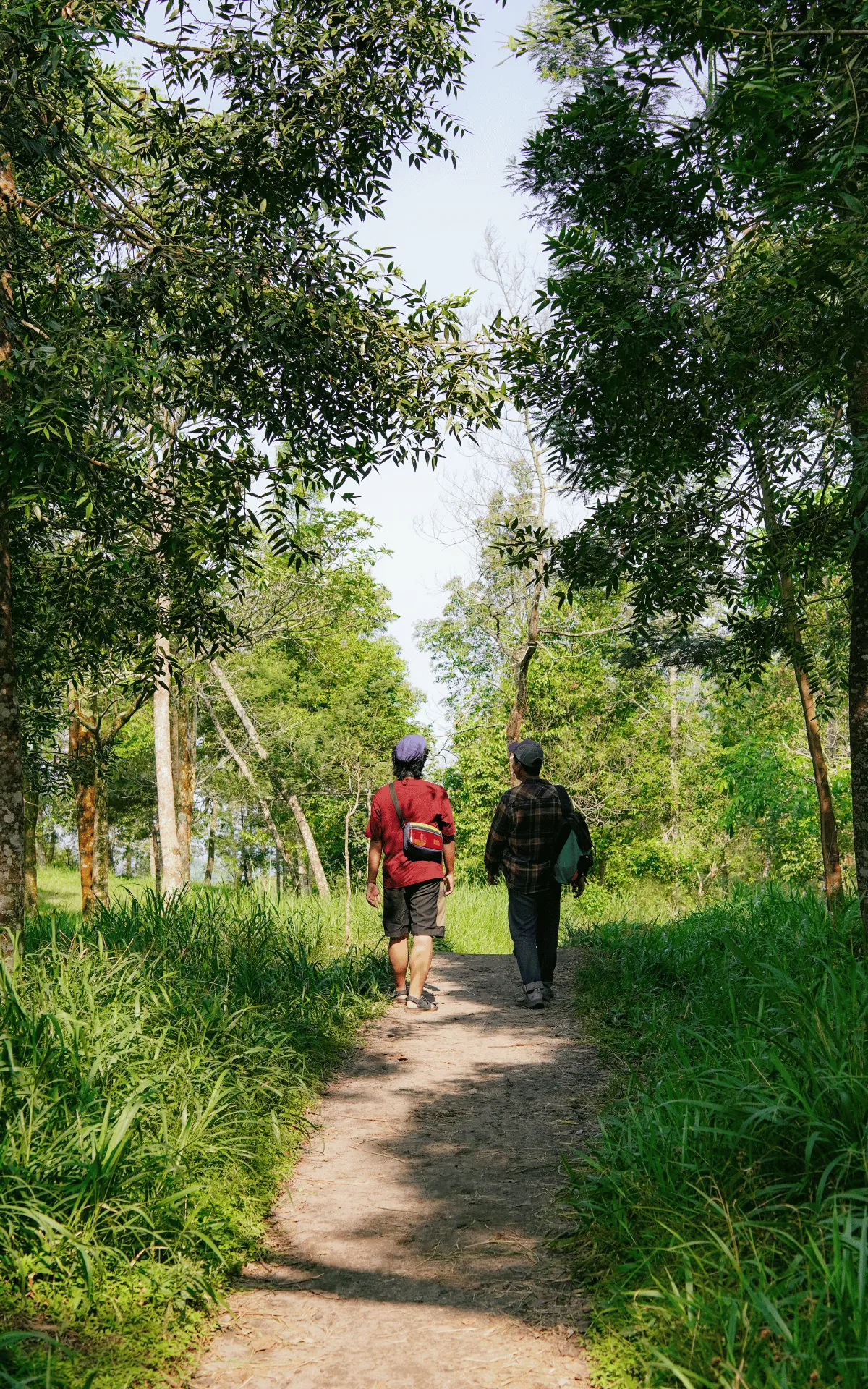
Walk and talk therapy is a form of psychotherapy conducted outdoors: typically in a park or natural setting, while client and therapist walk together. Sessions cover the same clinical territory as any therapy appointment: trauma, anxiety, grief, relationships, identity, occupational stress, whatever brings you to therapy.
The outdoor setting and movement are not incidental; they're part of how the work happens.This is not a casual walk with a supportive friend.
It is structured clinical work, held by a Registered Social Worker (RSW) or Psychotherapist, with the same ethical standards and confidentiality protections as any other session.

Why does walking help in therapy?
There are a few things at work. Bilateral movement: the rhythmic alternation of left-right, left-right, has nervous system regulation effects that some clients find helpful for accessing difficult emotional material. Side-by-side positioning, rather than face-to-face, changes the social dynamic of the session in a way that some people find less intense and easier for difficult conversations. Being in nature has documented stress-reducing effects on the body and the mind.
Research has found consistent themes of greater mutuality between therapist and client and stronger engagement with the natural world as a resource for the work. For some clients, particularly those who are kinesthetic, those managing anxiety, or those who feel constrained or activated by an indoor clinical environment, walk and talk produces notably better results than office-based work.
Is walk and talk therapy right for you?
Walk and talk therapy tends to work well for people who:
- Find movement helps them think, access emotions, or stay regulated
- Feel uncomfortable or overly formal in a traditional office setting
- Are working through anxiety and find that movement reduces physical tension enough to make conversation easier
- Have a connection to nature that makes outdoor settings feel grounding or meaningful
- Simply want to try something different
It may be less suited to sessions involving significant acute distress, presentations that benefit from grounding tools or written materials, or clients with mobility limitations, though we're glad to discuss what would work.
What to expect during walk and talk therapy?
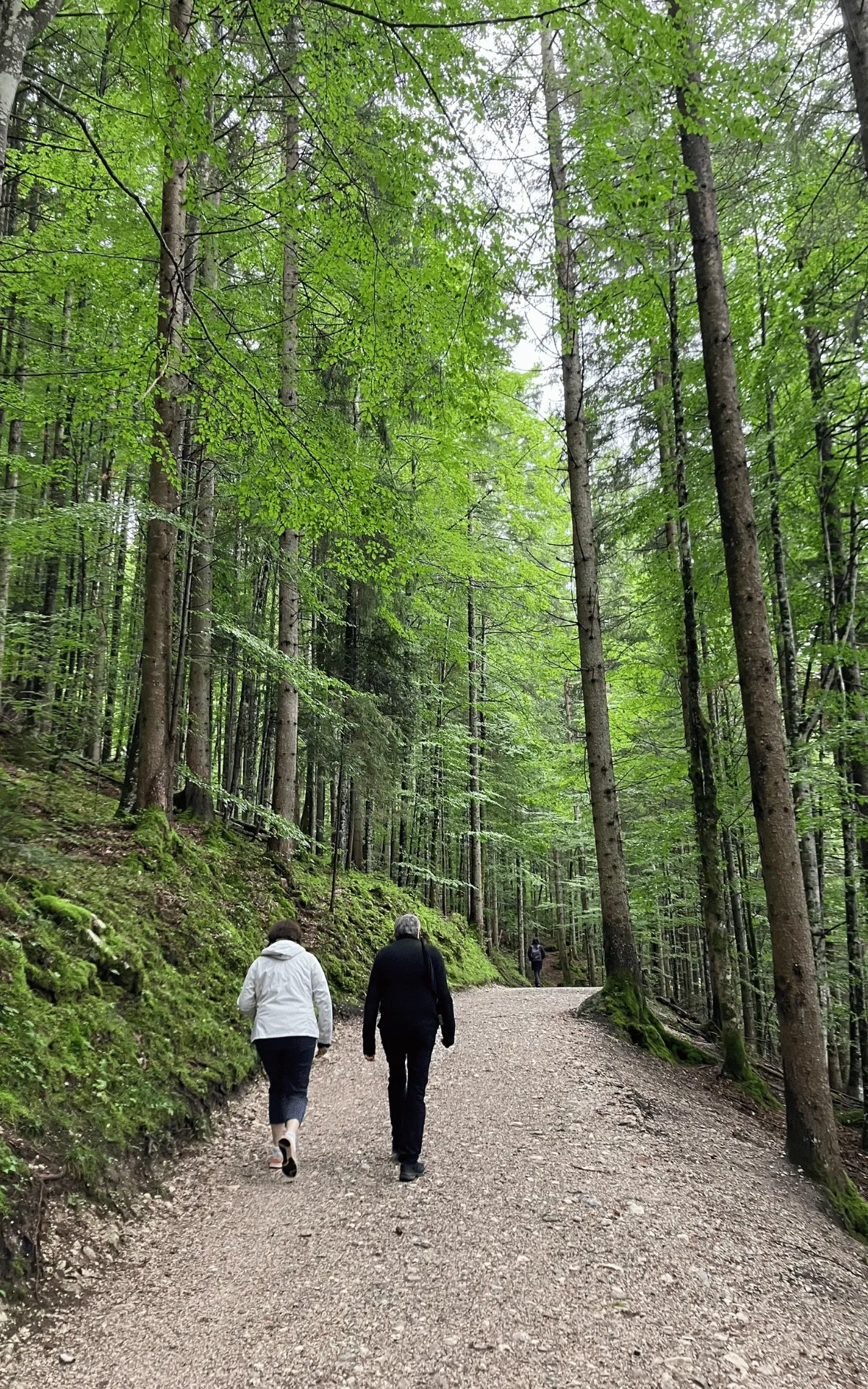
We meet at an agreed outdoor location in London or Barrie: typically a park with enough space to maintain conversational privacy. Sessions are the same length as office appointments. We walk at a pace that's comfortable for you; this is not exercise. You don't need any particular clothing or fitness level.
Confidentiality in a public space is something we take seriously. We choose routes and pacing that make it highly unlikely a conversation is overheard, and we'll discuss this directly before the first session. If we happen to encounter someone you know, we follow your lead on how to handle it.
For weather: we have a plan. We'll discuss your preference at the outset, whether that's moving sessions inside, going virtual, or rescheduling, and we'll confirm before any session where weather is uncertain.
Find a Walk and Talk Therapist in London, Ontario
Our therapists offer trauma-informed care for individuals in London, Toronto, and Barrie.. Our Client Care Team can help you find a therapist whose expertise and approach match your needs.

Sarah Doan

Michelle Gagnier

Jordan Boyd
FAQs
Research suggests it is comparably effective for most presenting concerns, and for some people and some kinds of work, it's more effective. It's not a reduced version of therapy, it's a different format of the same clinical work.
We'll establish your preference in advance. Options include moving the session indoors, switching to virtual, or rescheduling. You'll never arrive at an outdoor location without a clear plan in place.
Yes. The same confidentiality standards apply as any therapy session. We take care with location and pacing to make conversations as private as possible in a public setting, and we'll discuss how to handle chance encounters before your first session.
No. Sessions are paced entirely to your comfort. The purpose is movement at a manageable, conversational pace: not exercise or any kind of physical challenge.
Typically yes: the same extended health coverage that applies to office-based sessions applies to walk and talk therapy, as the service itself is psychotherapy regardless of setting. Check with your provider for specifics.
Still have questions?
If the idea of therapy outside an office sounds like it might work better for you, let's talk. Book a free 15-minute consultation, walk and talk is available in London, Ontario.