What actually happens in a first session
Most people arrive at the first appointment carrying two things: whatever brought them, and the worry that they will not know how to say it. Here is the whole hour, in plain terms, so one of those can be put down before you walk in.
Understanding Your Window of Tolerance
Most people arrive at the first appointment carrying two things: whatever brought them, and the worry that they will not know how to say it. Here is the whole hour, in plain terms, so one of those can be put down before you walk in.


You know that feeling when you just can’t take it anymore—your thoughts are racing, your heart is pounding, you're sweating, and all you want to do is throw your hands up and scream, “I can’t take this!”? That overwhelming moment is what psychotherapists like myself refer to as being outside of your Window of Tolerance.

The "Window of Tolerance" is a term coined by psychiatrist Dr. Dan Siegel to describe the optimal zone of arousal where we’re able to function and respond to life’s demands with a sense of balance. Within this window, we can process information, regulate emotions, and cope with stress effectively.
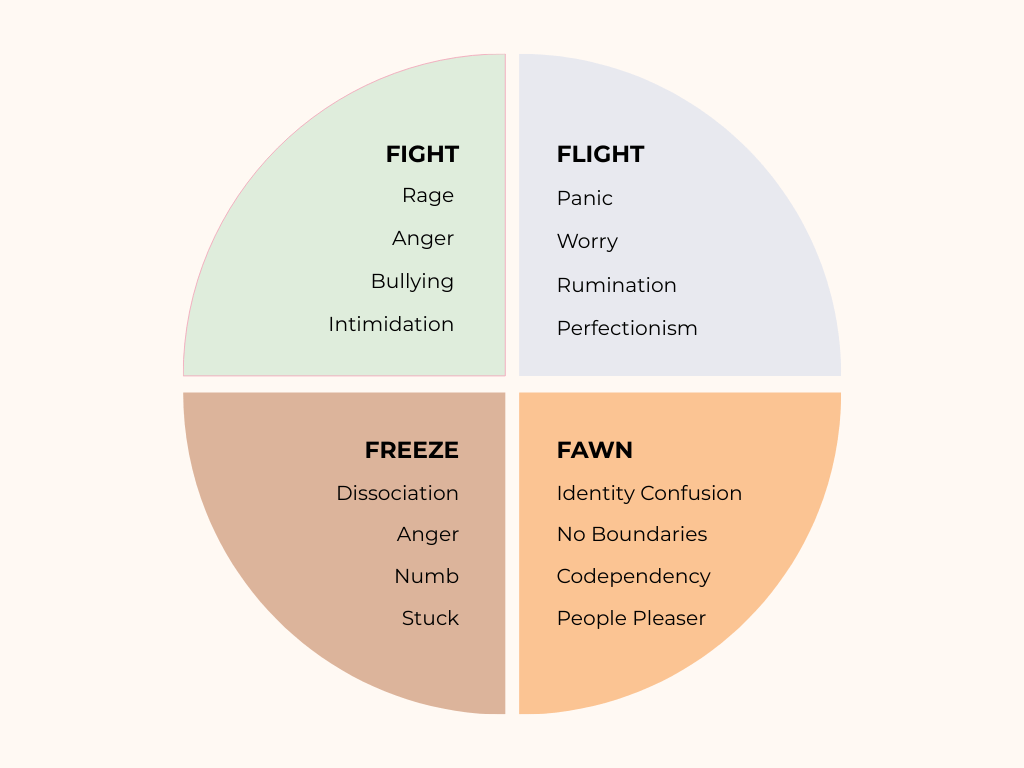
When we’re pushed outside that window—whether by trauma, chronic stress, or emotionally intense experiences—our nervous system moves into one of two states. We either become overloaded (known as hyperarousal—think anxiety, panic, irritability), or we shut down (known as hypoarousal—think numbness, withdrawal, depression).
Each of us has a unique Window of Tolerance, and one of the goals in therapy is to expand that window over time. The wider your window, the more resilient you become in the face of stress. A key part of this process is self-awareness—checking in with yourself regularly to notice how you’re feeling, how your body is responding, and what might be impacting your ability to cope.
One simple tool I often share with clients is the acronym HALTS. If you're feeling off or outside your window, ask yourself:
- H – Am I Hungry?
- A – Am I Angry?
- L – Am I Lonely?
- T – Am I Tired?
- S – Am I Sick?
These five states can significantly lower your Window of Tolerance, making it easier to feel overwhelmed. Learning to recognize and address these basic needs is a small but powerful step in staying regulated, grounded, and more present in your day-to-day life.
Leanne Eby
Leanne brings nearly 20 years of frontline experience and specializes in supporting individuals of all ages navigating anxiety, depression, stress, and trauma. With advanced training in psychology and a particular focus on anxiety disorders, she draws on CBT, DBT, mindfulness, and EMDR to provide personalized, compassionate care. She also offers creative, child-centred therapy tailored to children's unique needs, interests, and developmental stages.